
Amin Tarzi
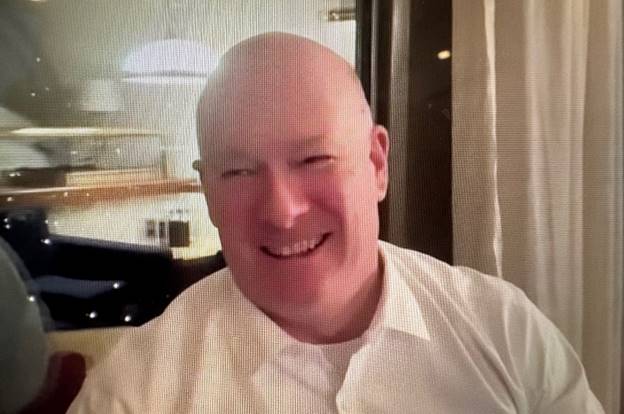
Ret Gen David Des Roches
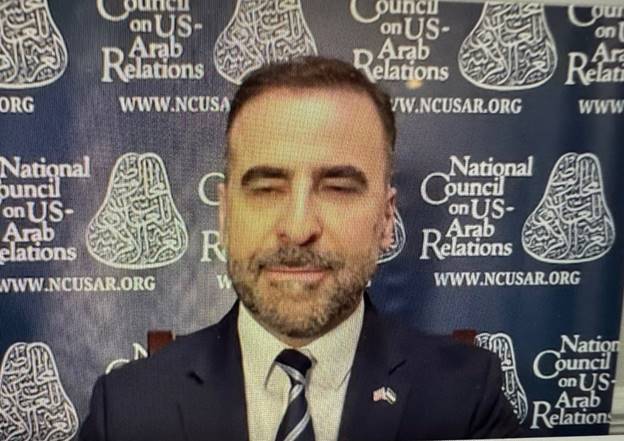
Fadi Hilani
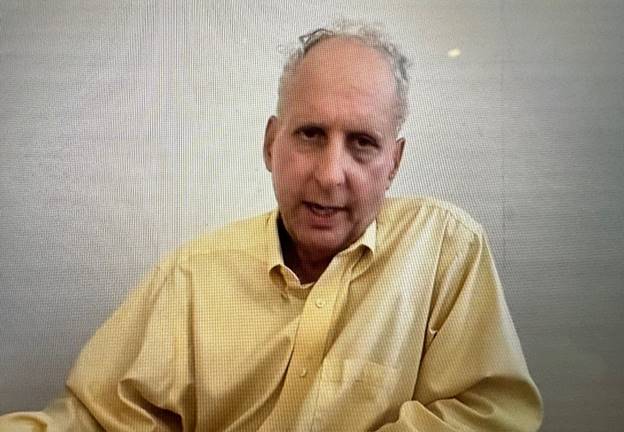
Kenneth Katzman
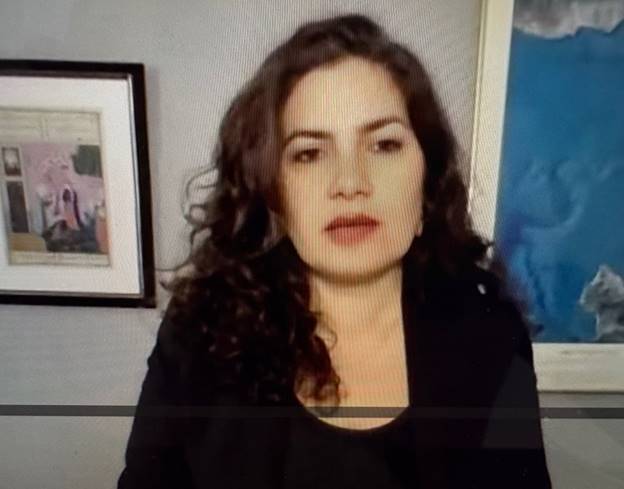
Negar Mortazavi
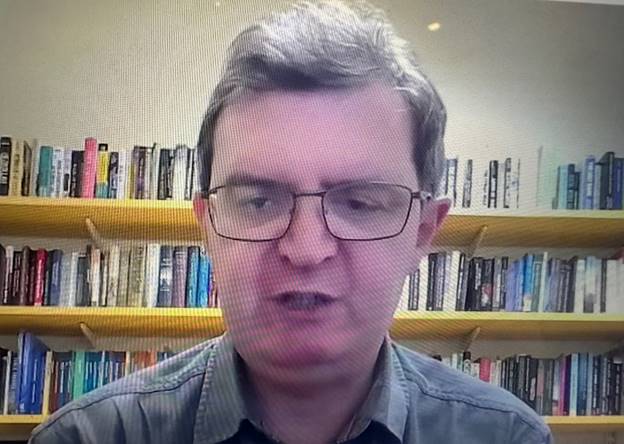
Kristian Coates Ulrichsen
National Council on US-Arab Relations Assesses Strategic Implications of US-Israel War on Iran
By Elaine Pasquini

Washington, DC: The day following the joint military attack launched on Iran by Israel and the United States on February 28, 2026, the National Council on US-Arab Relations (NCUSAR) held a webinar to assess the strategic implications of the action and provide analysis, clarity and forward-looking insight at a time when informed dialogue is essential.
“The speed and scale and symbolism of these events have raised profound questions about regional stability, regime durability, energy security, great power involvement and the trajectory of a conflict that could reshape the Middle East and the wider international order,” said Fadi Hilani, senior fellow at the Council, in opening remarks.
“We convene at a moment of extraordinary consequences following the joint US-Israeli operation that targeted hundreds of Iranian military assets and tens of its leadership figures,” he said, noting “the sweeping regional reverberations that have followed from ballistic missile and drone strikes across multiple states to escalating tensions in the Strait of Hormuz and the Red Sea.”
Negar Mortazavi, an Iranian-American journalist, noted that according to the Iranian constitution an interim council of leadership has been formed which consists of the Iranian President Masoud Pezeshkian, Hossein Mohseni-Ejei, head of the judiciary and one clergy member of the Guardian Council. This interim council will be in charge of decision-making until a successor is determined. “It’s unclear which direction this is going to go,” she said, since it is unclear how long the war will last and “how much of the Islamic Republic system is even going to remain which will shape the course of future succession.”
Iran is essentially trying to play the long game thinking that if they don’t act now, they will have to endure attacks in six, eight months or another year, she argued. “Iran is dealing with two very powerful armies, so the capacity and the limit of how much pain they can inflict simultaneously on the US, Israel and these Arab neighbors is a question.”
Kristian Coates Ulrichsen, an expert on Gulf politics at the Baker Institute for Public Policy, stressed the importance of the Strait of Hormuz, the crucial waterway through which one-fifth of the world’s gas and oil passes.
“There will be pressure to keep the passage open for shipping especially because European economies have been struggling,” he pointed out. “They don’t want another 1970s-style oil embargo shock which will potentially cause political and economic implications all over the world.”
China is extremely reliant on oil and gas from the Gulf, along with Japan, South Korea and India. “So, there will certainly be pressure on the US and other parties to this conflict, including Israel, to make sure that any disruption is limited and that ships are not directly targeted.”
Kenneth Katzman, senior fellow at the Soufan Center, said the Gulf states saw this war coming and tried to prevent it as they wanted President Trump to continue pursuing diplomacy.
In Katzman’s opinion, President Trump was “obviously much more swayed by Netanyahu.” While many believed the two were divergent on Iran, “Netanyahu was pushing for this and Mr Trump was resisting, and now we find out that the Israeli and American militaries were actively planning this operation together.”
Appearing from Doha, Ret Gen David Des Roches, associate professor at the Near East South Asia Center for Security Studies and a senior international affairs fellow at NCUSAR, noted that, while there was a lot of Iranian missile strikes and drone attacks, “they were not on militarily significant targets or causing a lot of lasting damage.”
The most significant attack so far, he said, was against the naval activity in Manama, Bahrain, where the headquarters of the US Navy’s Fifth Fleet is located.
“I would think the Iranians would want to target Prince Sultan Air Base which reportedly has combat aircraft,” he said. “Since there has not been a barrage at militarily significant targets means that Iran is unable to launch such a barrage. That they have seen so much damage to their launcher systems that they just can’t launch them because they are afraid the launchers will be destroyed and compromised.”
Des Roches viewed the attacks against civilian infrastructure as a “mark of desperation,” that they are trying to create the damage in order to mobilize public opinion in Israel or the Gulf states to return to diplomacy and pursue a negotiated settlement rather than continue trying to achieve military aims.
Amin Tarzi, adjunct professor at the Schar School of Policy and Government at George Mason University, noted, for the first time Iran has directly targeted Gulf Cooperation Council states in addition to Jordan and Iraq, expanding what was once primarily an Iran-Israel confrontation into the broader Gulf security question.
This development raises difficult issues for the Arab world, such as the implementation of hosting US forces, the vulnerability of energy infrastructure and maritime chokepoints, the resilience of deterrence and the political calculations inside Tehran itself, he said, pondering whether this moment marks a temporary escalation or a structural shift in Gulf security dynamics.
“Gulf states are no longer peripheral observers in this confrontation,” he stated. “They are central stakeholders whose strategic choices will influence the next phase of regional order.”
In conclusion Fadi Hilani, senior fellow at the Council, observed that the “scale and consequences of Operation Epic Fury raise profound strategic questions not only about the durability of deterrence and the trajectory of escalation but also about regional alignments, global energy security and the role of major powers in shaping the conflict’s endgame.”
The webinar underscored both the “volatility of the current moment and the critical importance of informed, in-depth analysis as policymakers and regional actors navigate an uncertain path forward,” he stated.
(Elaine Pasquini is a freelance journalist. Her reports appear in the Washington Report on Middle East Affairs and Nuze.Ink.)