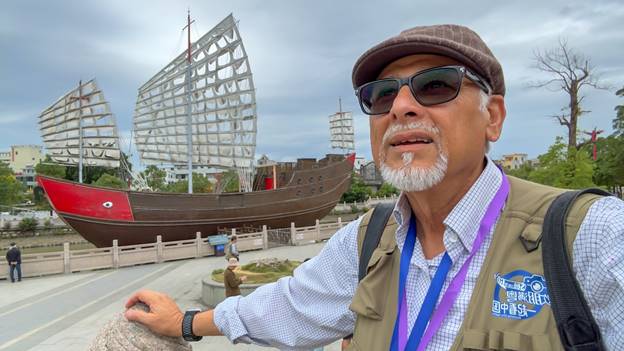
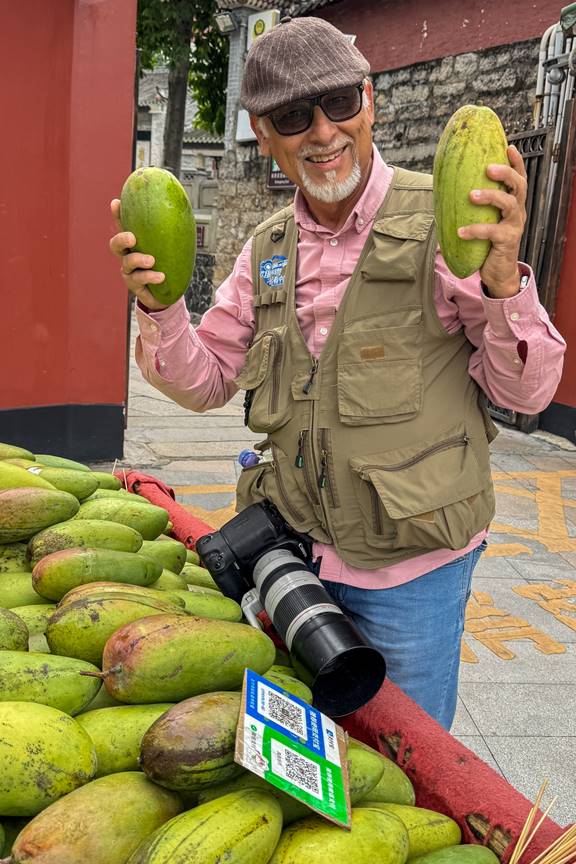
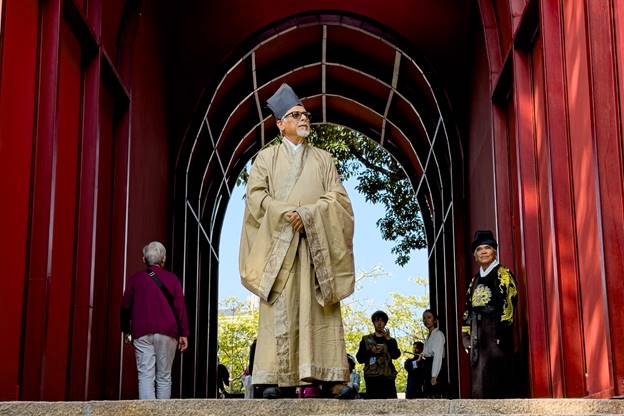
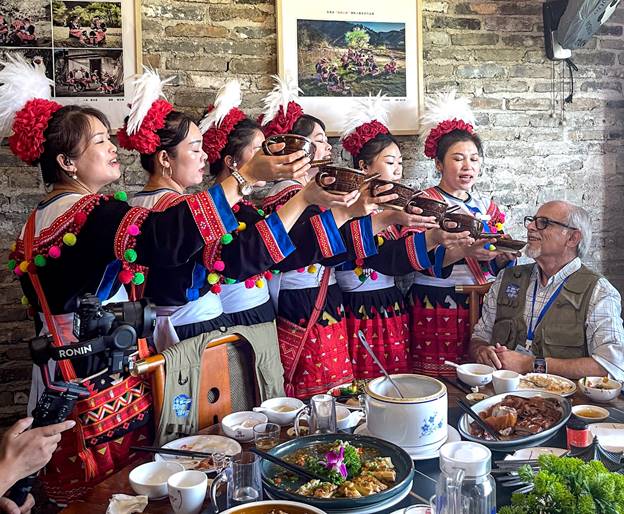
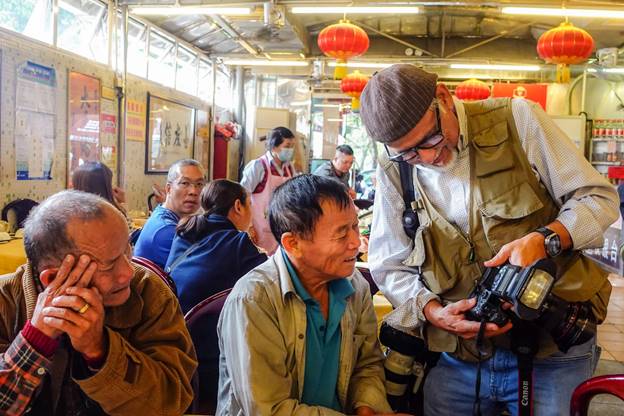


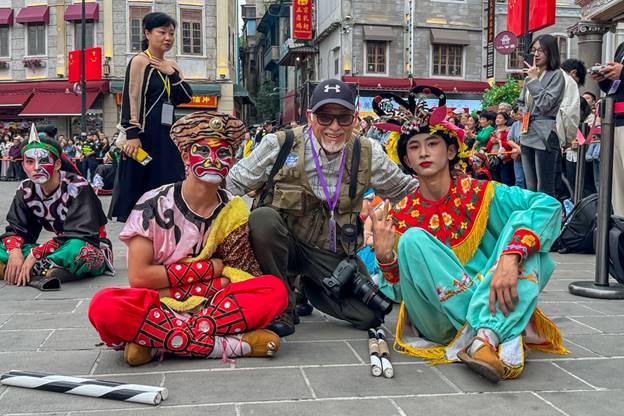
Irfan Khan is a veteran photojournalist whose career has spanned from the war zones of the Pakistan-Afghanistan border to the intimate, quiet corners of Southern California. He was part of the team awarded the Pulitzer Prize in breaking news for coverage of the 2015 terrorist attack. In this book, his work stands out for its patient observation
Irfan Khan Presents a Soulful, Humanitarian Perspective in Taste China: A Journey with World-Class Photographers
By Anwar Khawaja

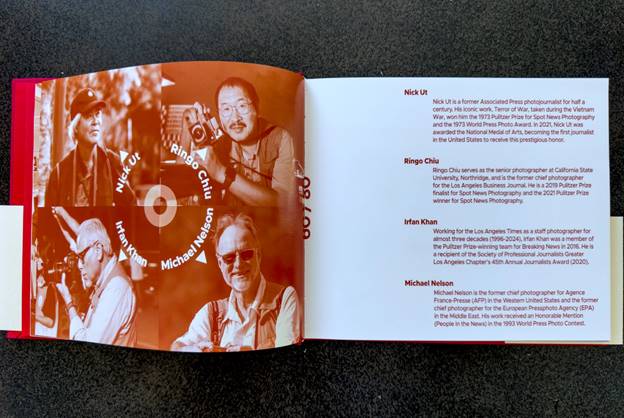
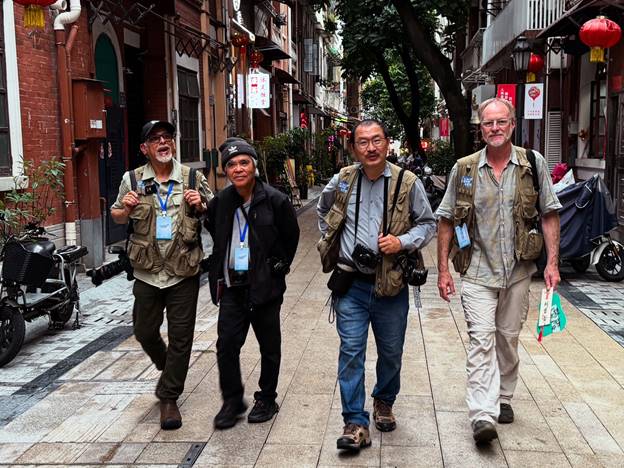
In the book "Taste China: A Journey with World-Class Photographers", Irfan Khan serves as a vital emotional anchor. While the other photographers in the project (like Nick Ut, Ringo Chiu and Michael Nelson) often lean into high-octane photojournalism or street-level "grit," Khan brings a soulful, humanitarian perspective that likely stems from his three decades as a staff photographer for the Los Angeles Times.
Here is a detailed look at his contribution to the book and his distinctive "voice" as a visual writer.
The "Irfan Khan" Lens: Empathy and Endurance
Irfan Khan is a veteran photojournalist whose career has spanned from the war zones of the Pakistan-Afghanistan border to the intimate, quiet corners of Southern California. He was part of the team awarded the Pulitzer Prize in breaking news for coverage of the 2015 terrorist attack. In this book, his work stands out for its patient observation.
1. Focus on the "Human Spirit"
In his sessions for the book (particularly in Sichuan), Khan famously noted that while the landscapes were stunning, it was the "warmth and sincerity of the people" that he prioritized.
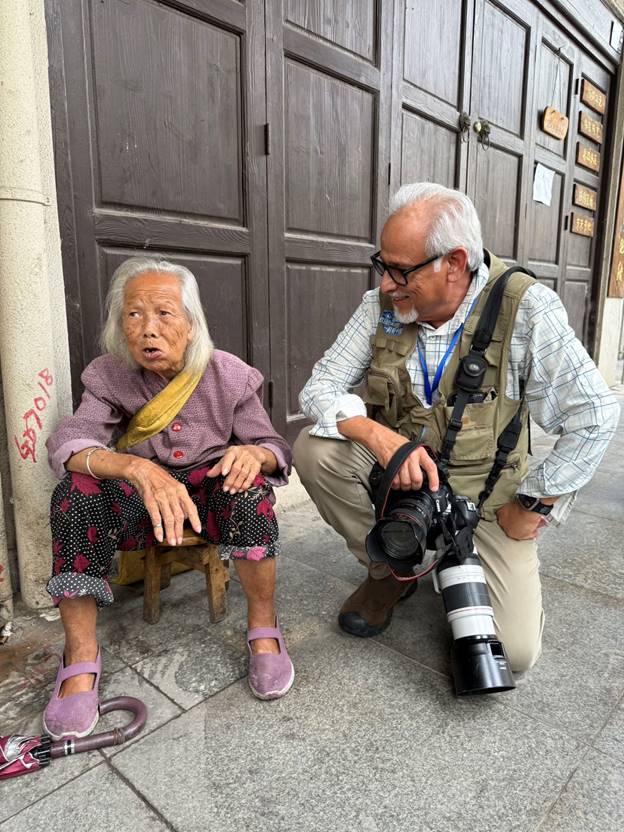
- The Reviewer’s Note: You can see this in his portraits. Khan doesn't just "take" a picture of a subject; he seems to wait for a moment of shared connection. Whether it's a chef in a steam-filled kitchen or a local elder, his photos capture a sense of dignity and "unposed" reality.
2. Mastering the "Atmosphere"
Khan has a legendary reputation for his "never-give-up" attitude (exemplified by his famous story of waiting hours on a mountain in Death Valley to catch a fighter jet in a single line with observers). In this book, that patience manifests in his use of natural light and shadow.
- He avoids the flashy, over-saturated "tourist" look. Instead, his images use the hazy, atmospheric light of provinces like Guangdong to create a sense of place that feels lived-in and ancient.
3. The "Faith and Culture" Perspective
As a photographer who has documented the Hajj in Saudi Arabia and the diverse Muslim and Sikh communities in America, Khan brings a unique sensitivity to tradition and ritual.
- In the book, his shots of traditional Chinese ceremonies or the "ritual" of food preparation are handled with the reverence of a religious event. He looks for the sacred in the mundane.
Key Themes in His "Taste China" Portfolio
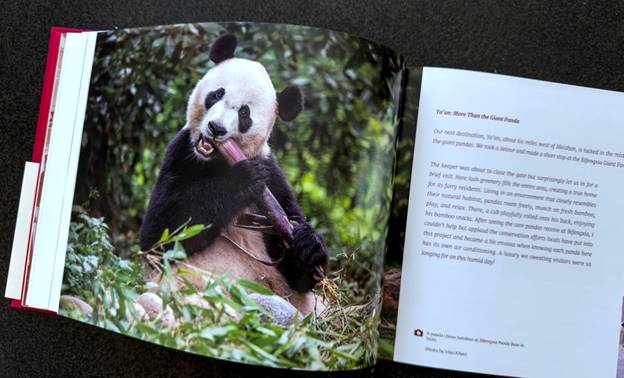
- Connection over Composition: While his technical framing is flawless, Khan’s photos in this collection feel like a conversation. He often gets closer to his subjects than the other photographers, breaking the "fourth wall" of the lens.
- The Beauty in the Small: He finds "taste" not just in the food, but in the texture of a weathered hand holding a chopstick or the way a specific shadow falls across a courtyard.
- Resilience: Much like his own career—which began in Pakistan and Dubai before reaching the heights of the LA Times—his photos of China highlight the resilience and industriousness of the local people.
Final Verdict on His Contribution
If Min Zhou is the "conductor" of this project, Irfan Khan is the lead cellist. His work provides the deep, resonant notes that balance the faster, sharper images of the other photographers. He transforms a "travel book" into a psychological profile of a culture.